According to the American Academy of Dermatology, acne is the most common skin condition in the United States. Yet there are many misconceptions about how it should be treated.
Contrary to common belief, acne affects people of all age groups, not just teenagers. It occurs when hair follicles are clogged with oil and dead skin cells, which leads to inflammation and results in pimples, blackheads and cysts. Understanding the various forms of acne and clearing up common misconceptions is crucial for effective handling of the condition.
Common Misconceptions
- Acne results from poor hygiene: Despite the importance of cleanliness, acne is generally influenced by genetic and hormonal factors.
- Acne affects only teenagers: Adult acne is common, particularly amongst women, due to hormonal changes.
- Diet has no role in acne: Certain foods can worsen acne in some individuals.
Causes of Acne
Acne is a multifaceted condition affected by a variety of factors such as genetics, hormonal changes and lifestyle choices. Understanding these triggers can greatly help in controlling and preventing acne.
Genetic Components
Genetics play a major role in determining an individual’s likelihood of developing acne. If acne runs in your family, you’re more likely to encounter it.
Hormonal Imbalances
Hormonal changes, especially during puberty, menstruation, pregnancy and menopause, can trigger or worsen acne. Androgens, a type of hormone, increase sebum production, leading to clogged pores.
Lifestyle Influences
- Dietary Choices: High-glycemic foods, dairy, and certain dietary practices can spark acne flare-ups.
- Stress Levels: Stress triggers the release of hormones that can exacerbate acne.
- Skincare Practices: Over-cleaning, harsh products or insufficient cleansing can worsen acne.
Acne Treatments
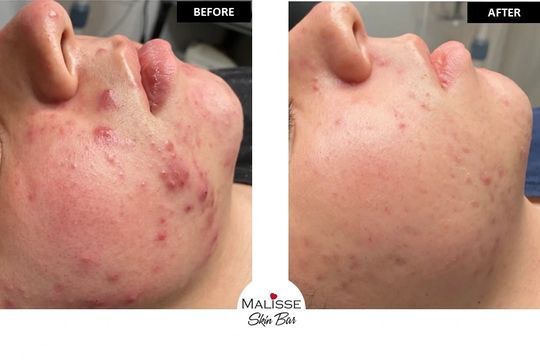
A personalized treatment plan that fits your skin’s needs and is combined with suitable products is critical to helping clear the skin and prevent new flare-ups.
Our range of acne therapies and clinically proven products help exfoliate the skin, unclog pores, remove excess sebum and dead skin, decrease inflammation, reduce oil production and destroy acne-causing bacteria.
- Chemical Peels: Exfoliate the skin and minimize scarring, improving skin texture, unclogging pores and reducing inflammation.
- Acne Facials: Tailored to specific acne concerns, these facials incorporate various therapeutic techniques and ingredients to cleanse, exfoliate and treat acne-prone skin.
- Phototherapy: This procedure uses specific wavelengths of light to decrease inflammation and destroy acne-causing bacteria.
- Laser Resurfacing: This advanced laser treatment targets the deeper layers of the skin to alleviate acne and scarring, triggers the skin’s natural healing process promoting collagen production for improved skin texture and reducing visibility of scars.
- Medical MicroNeedling (Collagen Induction Therapy): Medical-Grade MicroNeedling creates controlled micro-injuries to stimulate the body’s natural wound-healing process, enhance collagen production, reduce acne bacteria and improve overall skin appearance.
Creating A Skincare Regimen
An effective skincare regimen based on our professional guidance and products not available over the counter is key to managing and preventing acne.