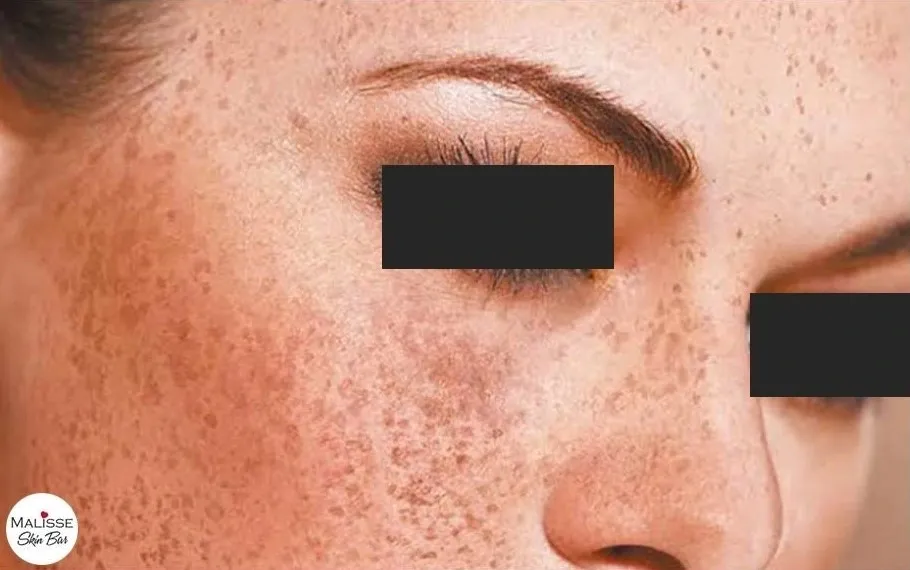
Melasma, is a pigmentation disorder of the skin mostly affecting women, especially those with darker skin. It’s a chronic condition that does not discriminate, characterized by brown-grey patches that typically develop on the forehead, nose, cheeks, and upper lip. Typically, genetic components with hormones such as estrogen and progesterone play a role in the development of Melasma, but sun exposure can also be a culprit. Melasma is not physically harmful, but studies have shown that it can lead to psychological problems and poorer quality of life due to the changes it causes in a person’s appearance.
Currently, melasma cannot be fully prevented in people who are likely to develop this condition due to their genetics, skin color type, hormones, or sun exposure level. Avoiding direct sun exposure during peak hours (10 a.m. to 4 p.m.), diligently using high-SPF sunscreens, and avoiding hormonal medications when possible, may help protect against melasma flares and reduce their recurrence after treatment. Strict sun protection is the mainstay of any melasma treatment regimen.
Currently there is no cure for melasma; however, there are a number of options to treat hyperpigmentation depending on your skin type and the cause of hyperpigmentation.
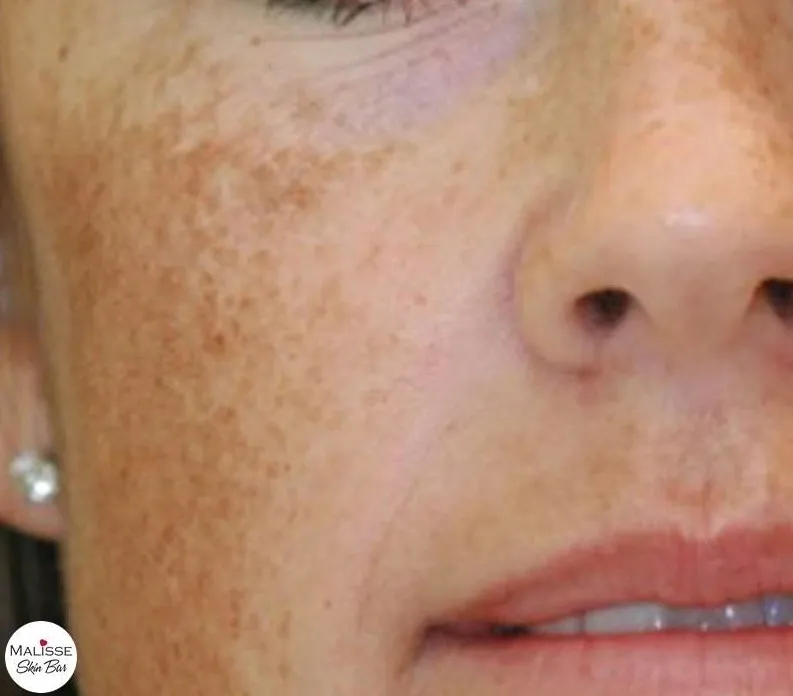
This is the most important step, regardless of skin type and cause. Sun protection and avoidance is the most important method for preventing hyperpigmentation from developing or getting worse. Wearing broad-brimmed hats with a UPF 50+, sunscreen, and staying in the shade are lifestyle habits that reduce your exposure.
Using a broad-spectrum mineral based tinted sunscreen (SPF product) with Iron oxide daily can lower pigment production in the skin, as they block visible light as well as UVA/UVB rays.
Tinted sunscreens have been found to reduce relapses of melasma more than non-tinted, broad-spectrum sunscreens. Tinted sunscreens have also been shown to reduce hyperpigmentation.
Certain skincare agents like hydroquinone, retinols, azelaic acid, kojic acid, glycolic acid, and Arbutin help reduce melanin and melanocyte activity therefore lightening dark areas. They work by blocking an enzyme called tyrosinase, responsible for making melanin in our skin (pigment). Hydroquinone reduces the number of pigment forming cells in addition to stopping the production of melanin. Retinols encourage cellular turnover bringing new evenly pigmented cells to the surface delivering a more even skin tone rather than bleaching the skin out.
Chemical Peels help remove the top outer skin layer allowing more even toned skin cells to come to the surface of the skin with minimal down-time.
Various formulations using alpha or beta hydroxy acids and retinoids are geared towards the cause of hyperpigmentation as well as your individual skin type.
For example, TCA-based peels work best for sun damage in lighter skin tones whereas salicylic acid-based peels are best for Melasma and post-inflammatory hyperpigmentation in darker skin tones as it’s the least inflammatory.
IPL (Intense pulse light) and BBL (broad based light) are light devices that target melanin in the skin lifting sunspots off the skin. These sunspots turn into little coffee grinds that flake off over a few days.
Non-ablative skin resurfacing lasers such as HALO penetrate into the deeper skin layer, the dermis. By delivering microscopic columns of heat, areas of pigmentation are removed and replaced with newer, more even toned skin
A Note of Caution. Some lasers can worsen Melasma and pigmentation, particularly in darker skin tones, as the inflammation and heat can trigger melanin worsening hyperpigmentation.
Understanding the unique characteristics of your skin is crucial in addressing conditions like melasma and hyperpigmentation. We offer a complimentary personalized aesthetic consultation to help determine the most effective treatment plan, which may include a combination of sun protection, topical applications, and possibly one or a series of in-office procedures.